

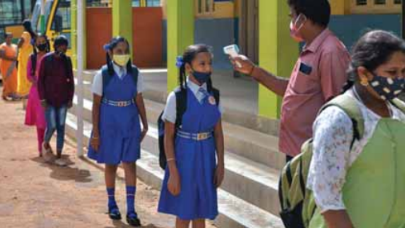





Covid Vaccination for 12-14 Age Group to Begin from March 16: Govt
Children’s Corner
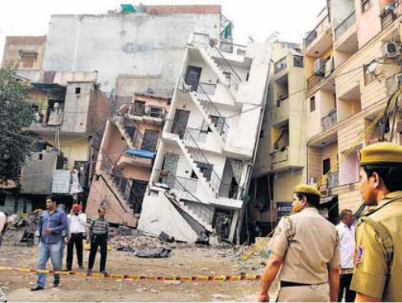
7 Killed as Fire Breaks Out in Delhi’s Gokulpuri
University of Madras, Keio University Collaborate to Study Disaster Risk Reduction

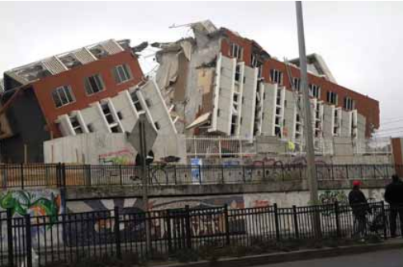
Disaster Resilient Infrastructures

Meet Dr. H. Kit Miyamoto, Global CEO of Miyamoto International, Inc. Dr. Miyamoto is a world-leading expert in disaster resiliency,...

Disaster Risk Governance: Building a Resilient Future

Meet Dr Nathanial Matthews. As Program Director and member of the Senior Management Team, he leads the technical element of...

Reader's Response

Growing up, I would spend time with my grandparents in Khagaria – one of the flood-prone districts of Bihar. I have, therefore, witnessed and experienced floods first-hand. Reading this magazine brought back childhood memories of those annual flood events. My daughter recently gave me the latest issue of Know Disasters. I was amazed to see this kind of magazine in the public domain. It stands out above the rest. I appreciate the magazine for its simple yet defining approach and broad perspective on diverse topics related to disasters.

Mohd. Sohrab Khan Project Manager National
Helpline for Senior Citizens, Jharkhand.

I liked the arguments in the article on ‘India’s Disaster Response Mechanism’ authored by Colonel Razzaque Adil that was published in the March-22 issue of Know Disasters. The United States follows a similar approach, realizing the victims were the first responders, not the police, etc. This caused a shift in training and educating the public on emergency preparedness to incorporate the up to 72-hour delay in response from major disasters and a (roughly) up to 10-minute response gap is rapidly evolving emergencies such as active assailants. The training helped to reemphasize the need to learn first aid and cardiopulmonary resuscitation (CPR). I also liked the fact that the article included modulating plans, keeping them adaptable and flexible in any situation.

Chris Beyer Emergency Management Specialist, USA.

I liked each and every article published in the March-22 issue as analysing the gender dimension in resilience, recovery, response and Impact of disaster is very important. Differential gender roles mainly created by societal norms led to discrimination of men and women in every sphere of life. The theme Gender and Disasters is so interesting and insightful and will help to increase awareness to focus more on gender dimension in policy making for disaster management.

Vinita University of Delhi

Submit your Article

Subscribe Now